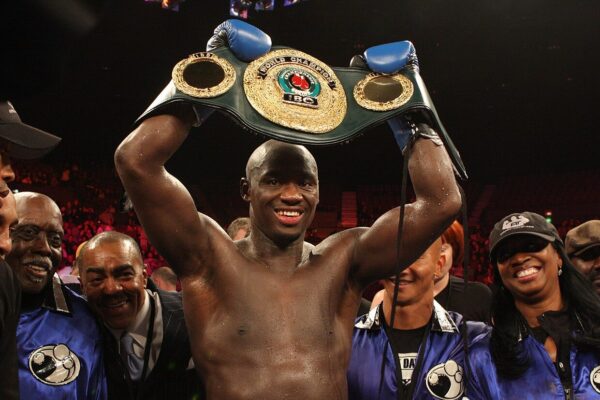
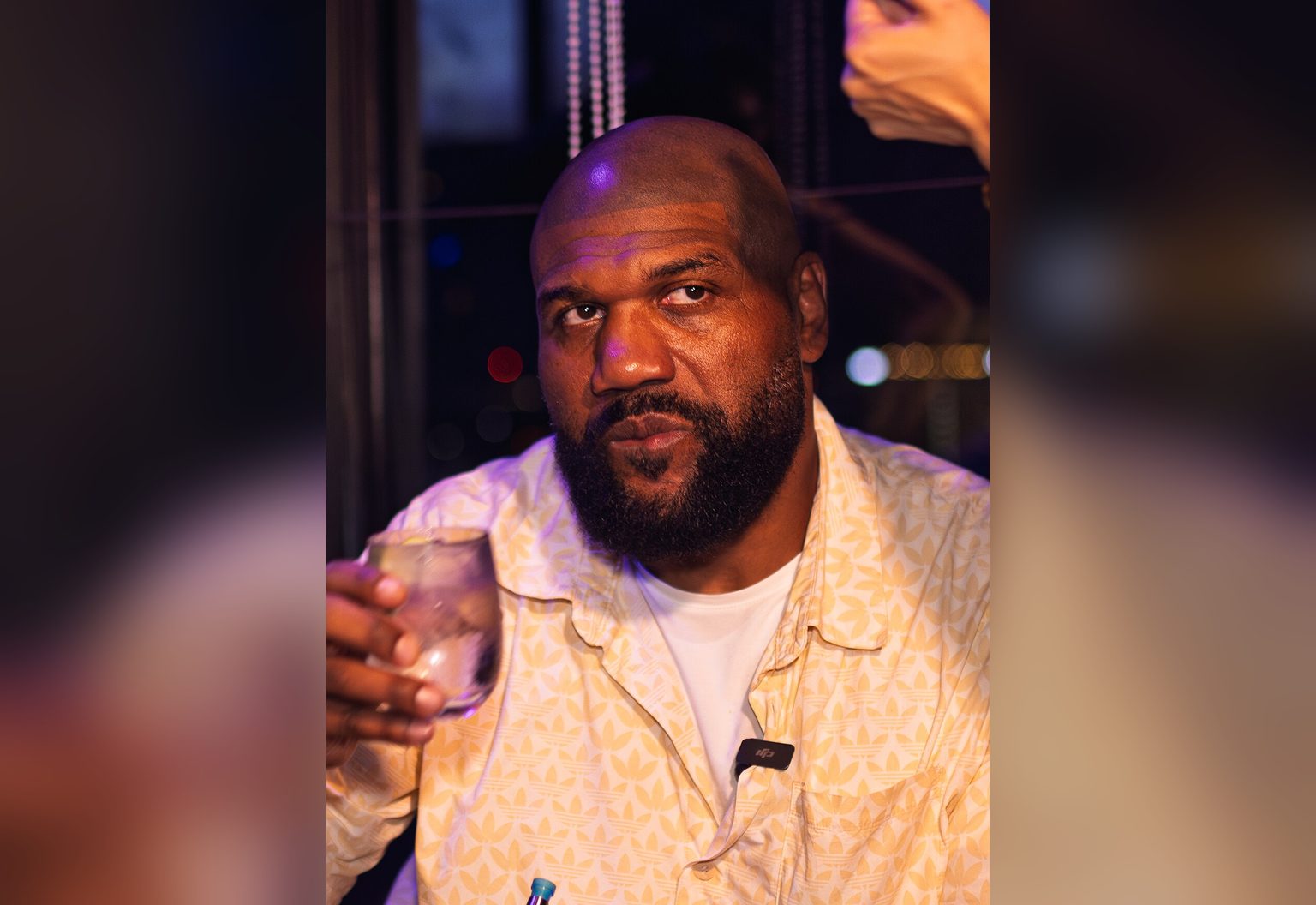
Chuck Liddell lasted 113 seconds. At UFC 71 on May 26, 2007, Quinton “Rampage” Jackson caught the light heavyweight champion with a short right hook, followed him to the canvas and finished the fight with punches. Before the opening round was halfway through, the belt had changed hands.
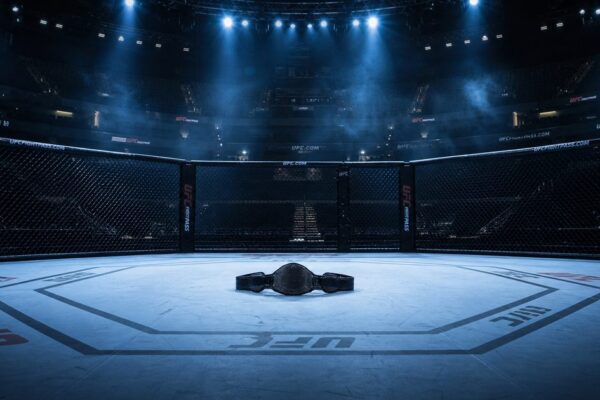
It was not Jackson’s first victory over Liddell. He had beaten him in Japan four years earlier, when American viewers still had to look beyond the UFC to follow many of the sport’s leading fighters. The rematch brought that history into the Octagon-and made the Memphis-born contender a UFC champion.
His route there involved high-school wrestling, modest regional shows and a demanding apprenticeship in Pride. Along the way, he developed a fighting identity that needed little explanation: heavy hands, punishing slams and an expressive personality that followed him from the ring to Hollywood.
From Memphis wrestling rooms to a professional debut
Born Quinton Ramone Jackson on June 20, 1978, he grew up in Memphis, Tennessee. In interviews, he has described a difficult childhood, including his father’s absence. Wrestling offered a more structured outlet.
At Raleigh-Egypt High School, Jackson learned to control opponents, change levels and finish takedowns. He continued wrestling at Lassen Community College in California, although he did not follow the long collegiate route taken by many future MMA champions.
Professional wrestling initially appealed to him as a career. Mixed martial arts provided a different opening: a chance to use his wrestling in fights where punches and submissions were part of the contest.
His professional debut came against Mike Pyle at an ISCF event in Memphis on November 13, 1999. Jackson won by decision. Pyle would also go on to a substantial MMA career, making that regional matchup more notable in retrospect.
There was no lengthy, well-documented amateur MMA apprenticeship before it. Jackson’s competitive foundation was wrestling, followed by on-the-job learning against increasingly experienced professional opponents.
Pride supplied the stage-and the hard lessons
After building his record on American regional cards, Jackson entered Pride Fighting Championships in 2001. His first assignment was Kazushi Sakuraba, an established star with a far deeper submission game. Sakuraba submitted him with a rear-naked choke.
The defeat exposed the distance between physical promise and a complete fighting game. Japan nevertheless became the setting in which Jackson developed into a leading light heavyweight.
In 2003, he stopped former UFC champion Kevin Randleman and then defeated Liddell in Pride’s middleweight grand prix semifinal. Liddell’s corner threw in the towel during the second round.
The tournament final, held later that same night, went very differently. Wanderlei Silva overwhelmed Jackson with knees and won by first-round TKO. Their 2004 rematch ended with another Silva finish, this time in the second round.
Between those defeats came the image most closely associated with Jackson’s Pride years.
Against Ricardo Arona on June 20, 2004, he was caught in a triangle-choke position. Rather than remain on the mat, Jackson lifted Arona and drove him down with a powerful slam, producing a first-round knockout.
It looked spectacular, but it also expressed something practical about his game: wrestling was not merely a means of scoring takedowns. In his hands, it could end a fight.
A UFC championship, then five difficult rounds
Jackson made his UFC debut at UFC 67 in February 2007, stopping Marvin Eastman in the second round. Eastman had beaten him earlier in his career; the rematch cleared that particular debt and positioned him for Liddell.
Three months later, Jackson won the UFC light heavyweight championship.
His first defense was a different kind of test. At UFC 75 on September 8, 2007, he faced Dan Henderson in a five-round championship unification bout. Henderson held Pride’s middleweight title, which, despite its name, covered the same 205-pound limit as the UFC light heavyweight division.
Jackson won by unanimous decision, adding a sustained championship performance to the sudden finishes that had built his reputation. It remained his only successful UFC title defense.
Forrest Griffin took the belt at UFC 86 on July 5, 2008. Griffin’s low kicks disrupted Jackson’s movement, and his work across five rounds earned a unanimous decision. Jackson had dangerous moments, including a first-round knockdown, but could not consistently impose his preferred fight.
He ended the year with a more satisfying result. At UFC 92, he knocked out Silva with a left hook in the opening round. After two punishing losses in Japan, he finally had a victory over his longtime rival.
Chasing the belt again
Jackson remained a prominent contender after losing the championship. Wins over Keith Jardine and Lyoto Machida kept him in the division’s leading group, while his rivalry with Rashad Evans carried a season of The Ultimate Fighter before Evans won their 2010 meeting by decision.
A victory over Matt Hamill at UFC 130 brought another title opportunity.
By then, Jon Jones held the championship. Their meeting at UFC 135 in September 2011 showed how much the division had changed. Jones used his reach, varied striking and grappling to control the contest before submitting Jackson with a rear-naked choke in the fourth round.
Defeats to Ryan Bader and Glover Teixeira followed. Jackson’s first UFC run ended in January 2013, six years after his arrival and well beyond the brief championship reign that remained its centerpiece.
Bellator, a tournament win and one more Silva fight
Jackson joined Bellator in 2013 through an arrangement that also included appearances for TNA Wrestling. The wrestling involvement briefly connected his professional life with the career he had imagined before MMA.
Inside the cage, he won Bellator’s Season 10 light heavyweight tournament in 2014, defeating Christian M’Pumbu and then Muhammed “King Mo” Lawal. The decision over Lawal was disputed, but it stood. The distinction matters: Jackson won a tournament championship, not Bellator’s light heavyweight world title.
A brief UFC return produced a decision victory over Fabio Maldonado at UFC 186 in April 2015. He subsequently resumed fighting for Bellator.
In September 2018, he met Silva for a fourth time and won by second-round TKO. Their rivalry finished level at two victories each, spread across three promotions and almost 15 years.
Jackson’s December 28, 2019, heavyweight bout against Fedor Emelianenko ended in a first-round knockout defeat. That result left his professional MMA record at 38 wins and 14 losses, including 20 knockout victories, four submissions and 14 decisions. It should not be confused with a confirmed retirement announcement.
More than a puncher, most effective at close range
At his best, Jackson combined compact boxing with the strength and balance of an experienced wrestler. His hooks were particularly dangerous when opponents stepped into range or left openings during exchanges.
He could also defend takedowns, work from the clinch and punish opponents who committed too heavily to grappling. The Arona slam was the extreme example, not an everyday tactic.
There were limitations. Persistent low kicks could damage his base, while mobile opponents sometimes left him following rather than cutting off their escape. Griffin and Jones exposed different versions of those problems.
Although he fought at heavyweight later in his career, his defining achievements came at 205 pounds. Describing him as a conventional middleweight would be misleading: Pride’s division names did not match modern UFC terminology.
Away from the cage: B.A. Baracus and the microphone
Jackson’s most visible move beyond fighting arrived in 2010, when he played B.A. Baracus in The A-Team. Appearing alongside Liam Neeson, Bradley Cooper and Sharlto Copley introduced him to an audience that might never have watched a Pride event.
The casting made use of his imposing appearance, but his public appeal was not solely physical. Interviews often revealed a comic, conversational side quite different from his scowl at weigh-ins.
His later media work has included co-hosting the JAXXON Podcast, where fighters and other guests discuss careers, training and life beyond competition. The format gives him room to tell stories rather than compress everything into a prefight sound bite.
Jackson has also spoken publicly about fatherhood. Beyond those public comments, claims about relationships, reconciliation or his children’s private lives require reliable sourcing; they add little to understanding his sporting career.
The documented story already has considerable range: a Memphis wrestler became a champion in Las Vegas, a familiar face in Japanese arenas and, eventually, a film actor with a place behind a podcast microphone.
FAQ
What is Rampage Jackson’s real name?
His full name is Quinton Ramone Jackson. He was born in Memphis, Tennessee, on June 20, 1978.
What is his professional MMA record?
The December 2019 loss to Fedor Emelianenko left his record at 38-14, with 20 wins by knockout, four by submission and 14 by decision.
When did he become UFC champion?
He knocked out Chuck Liddell at UFC 71 on May 26, 2007, to win the light heavyweight championship.
Did he win a Bellator world title?
No. He won Bellator’s Season 10 light heavyweight tournament in 2014, which was separate from the promotion’s divisional world championship.
Who won his rivalry with Wanderlei Silva?
They finished tied at 2-2. Silva won both Pride meetings; Jackson won their UFC and Bellator bouts.
Did he play B.A. Baracus in The A-Team?
Yes. Jackson played B.A. Baracus in the 2010 film adaptation.
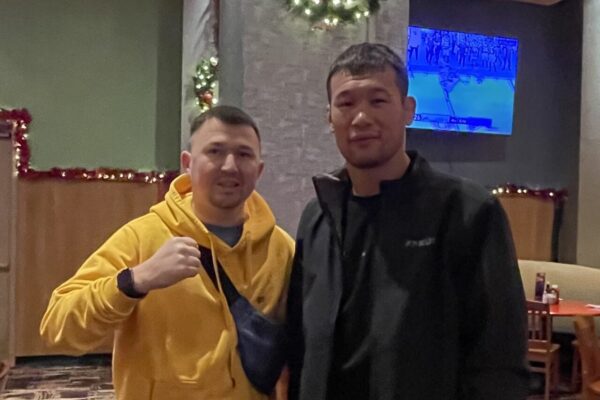
Photo: Monkinvideos, CC BY-SA 4.0, via Wikimedia Commons